

Men in Mind for Pharmacists
Men in Mind is an online training program built to help primary care professionals get the most out of every interaction with a male patient.
Part of Movember's work to change the face of men’s health, the course draws on leading research, the lived experience of men and primary care knowledge to unpack how masculinity shapes the way men seek help, communicate and engage in care.
The course is the first of its kind worldwide.
How to navigate this course
Click each section below to see the button it refers to light up. Give it a try.
Frequently asked questions
Select any question to expand the answer.
Assessment is built into the course through a series of short activities and scenarios. You'll need to attempt each assessment activity before moving on. Immediate feedback is provided after each response to help reinforce your learning.
Once you've viewed all required content, attempted all assessment activities and reached the end of the module, your completion will be recorded and your certificate will become available.
At the start of the course's final module, you'll be asked to enter your certificate details. Once you complete that module, your certificate will be ready to print, download, or email to yourself. We'll also automatically send your completion details to your governing body.
Absolutely! We know you may need to have breaks or get interrupted. That said, leaving the module 'idle' for too long may result in problems with the course registering as completed and you will need to start again. All you need to do is exit the course by selecting the X in the top right-hand corner. This will save your place and pick up where you left off next time.
The full course is made up of 3 sections, which take approximately 2.5 hours in total to complete.
If you need help while completing the course, select the ? button to contact Movember Learning Support.
If you've found something that doesn't look right on a particular screen, select the bug icon. It automatically includes the module, screen number and title, helping us investigate the issue more quickly.
Alternatively, you can email learning@movember.com at any time and we'll do our best to assist as quickly as possible.
Just a pair of headphones if you want to listen to any of the video content with sound. All videos are captioned so you can listen without sound. The course can be completed on your laptop, desktop computer or even your phone.
Whenever you see a "MOUSTACHES LOVE RESEARCH" panel or a highlighted link, it contains a citation or external resource you can open to read more. This is entirely optional, and there's a full list of references and additional resources on the final screen for you to email or keep.
Absolutely not! Throughout the course you'll be given a heap of optional content including educational videos, external links, case studies and journal articles. None of these are mandatory.
We also reference our supporting evidence constantly, which you can review if you're interested. Consume the optional learning at your own pace, or not at all. Don't worry about saving content as you go — there's a library of all the resources at the end of the module.
This module is designed to work with standard screen readers, including JAWS, NVDA and VoiceOver. Interactive elements are keyboard navigable, videos have transcripts, and you can adjust the text size, switch to night mode, or turn on reduced motion using the settings (gear) button.
If you experience any accessibility issues, please contact learning@movember.com.
Acknowledgement of Country
This course was created in Melbourne, on the lands of the Wurundjeri Woi Wurrung people of the Kulin Nation, with input from practitioners, researchers and community experts across Australia.
Movember acknowledges the Traditional Custodians of Country throughout Australia and the many Countries on which this work was shaped. We recognise the continuing connection to land, waters, community and culture, and the enduring knowledge systems of health, healing and care. We pay our respect to Elders past and present, and extend that respect to all Aboriginal and Torres Strait Islander peoples today.
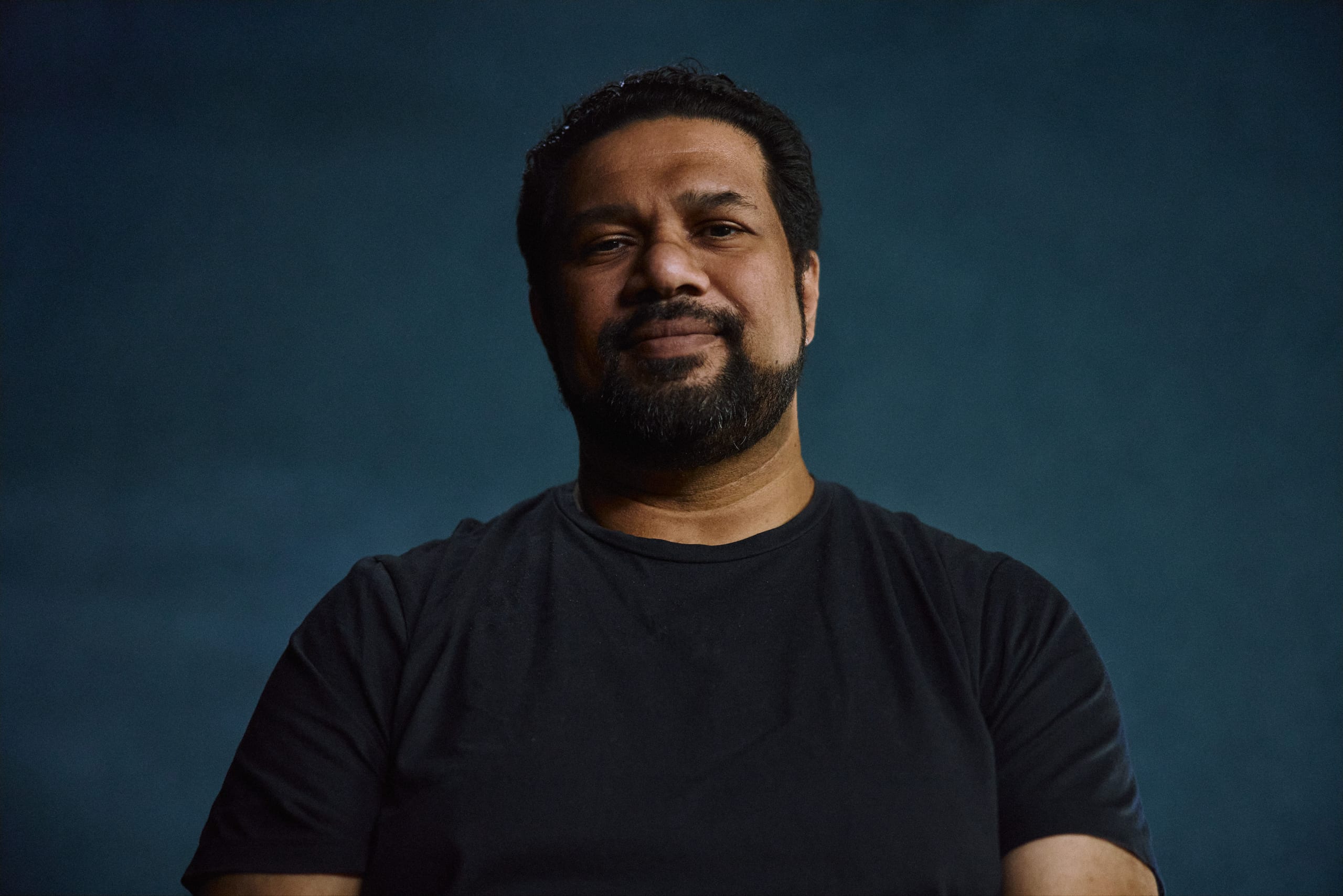

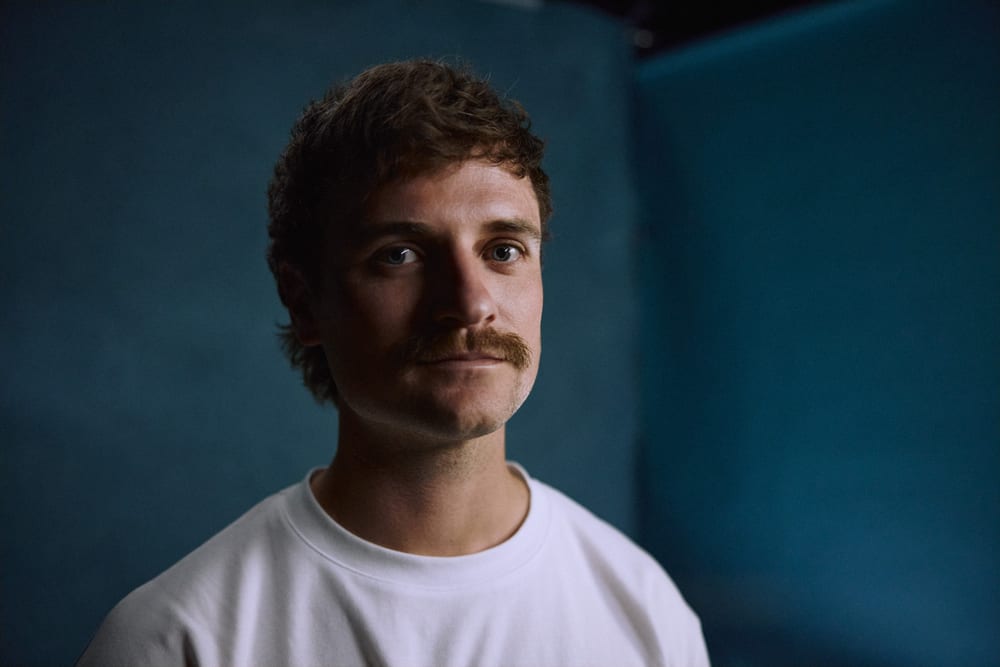
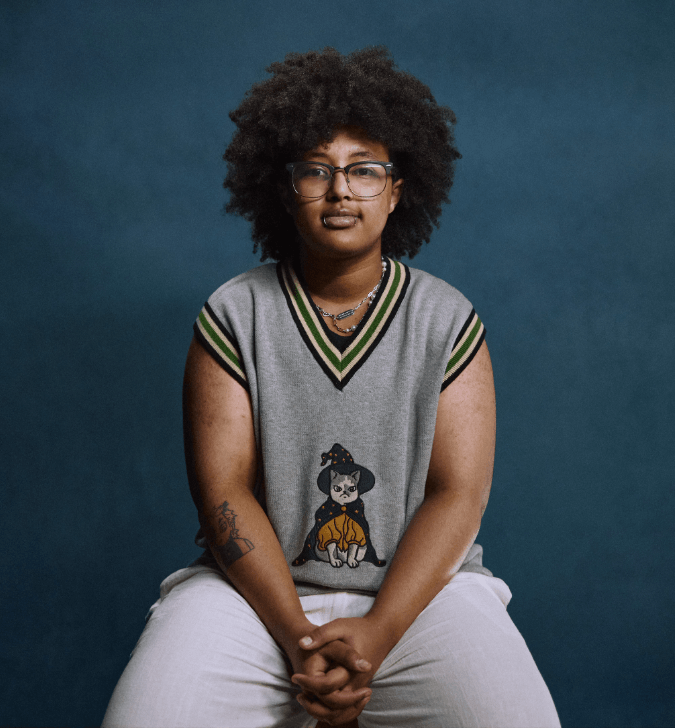
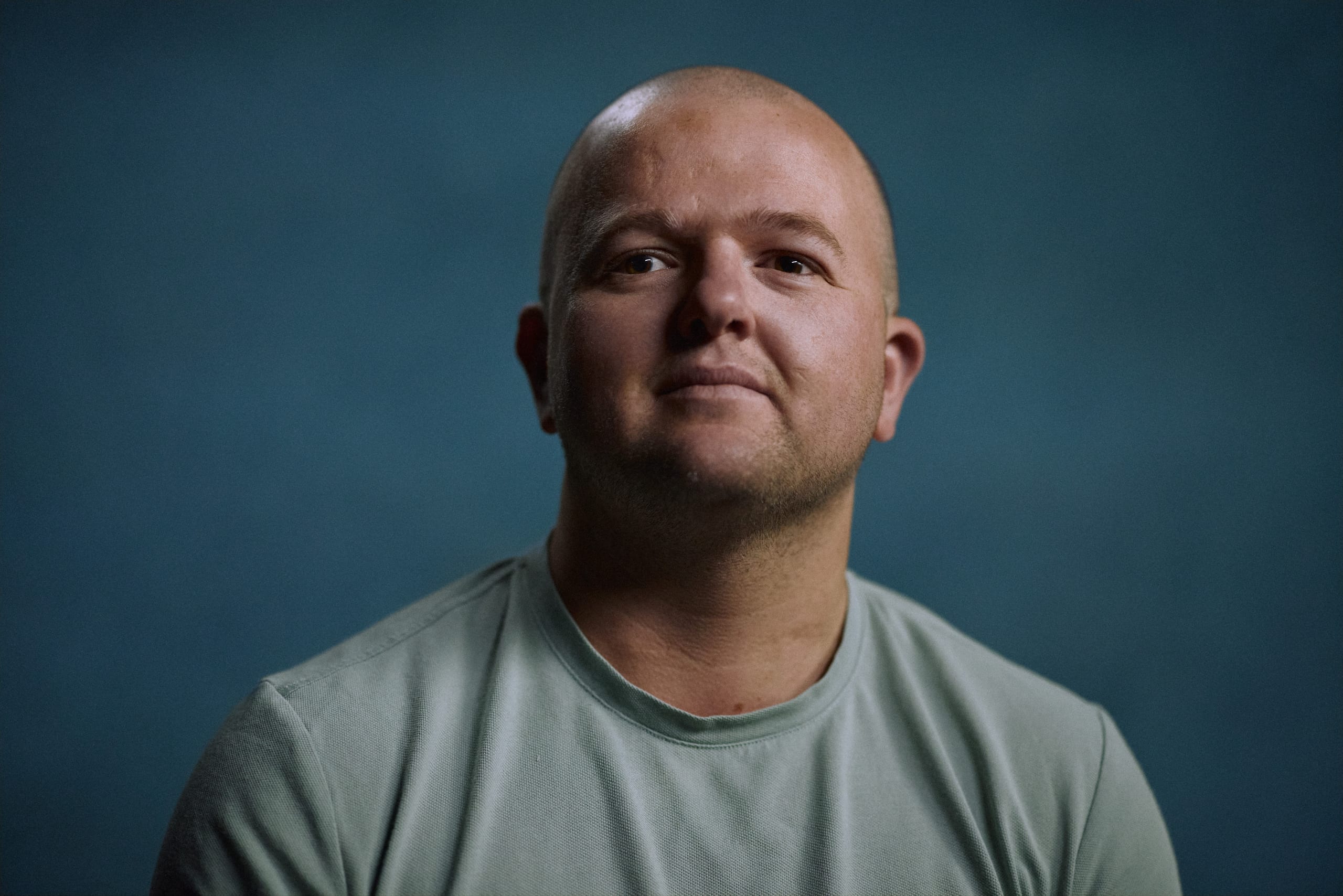
Learning outcomes
At the end of this module, participants will be able to:
- Outline how masculinities and life-stage transitions shape men's engagement with healthcare.
- Recognise how your own gender socialisation and assumptions can shape work with men.
- Describe a range of strengths-based communication and engagement approaches that work with rather than against masculine identity.
- Recognise how masculinities may impact the way men with distress might present at, and interact with, the pharmacy.
- Apply techniques from the MALE framework to everyday pharmacy interactions.

PSA National Competency Standards (2016)
- 2.1
- 2.3
- 3.2
- 3.3
- 4.1
The opportunity is now
Before we start, hear from some of the experts behind this course on why men's health matters for pharmacy.
Brad Butt
One of the things that really upsets me is when people say to me, "Men don't care about their health." I think that's a terrible misconception. Men do care about their health. They invest a lot in their health.
Pharmacies typically are non-confrontational. They're far less confrontational than a doctor's surgery, I suspect. It's quite easy to get out if you have to, and often you don't have to pay anything for the privilege of popping in.
Anna Georgiou
The husband comes in to get supplies for the baby, for the wife, for the family, essentially, and you think, "Wow, he looks a bit down." Looks a bit more than just your usual tiredness from having a newborn baby at home. There's something not quite right. When that man has walked out that door, you've thought to yourself, "Have I missed any flags of what could potentially be going on?"
James Georgiou
There are way too many men that are falling through the healthcare system and not achieving the care that they need. If pharmacists had a better way to engage with the community, it would actually lead to pharmacy being even more of a first-line destination.
Getting men through the door is only the first step. What happens next, inside your pharmacy, is the real frontier of men's health.
Two in five Australian men die prematurely, before they turn 75.
That's more than 37,000 fathers, brothers, sons and mates every year, most from largely preventable conditions (AIHW, 2023).
They're already showing up
Men are engaging with the healthcare system. Almost 8 in 10 (79%) Australian men aged 15 and over visited a GP in the previous 12 months (AIHW, 2023). Most will access a healthcare service or present with a concern at some point in their lives. Men really do care about their health.
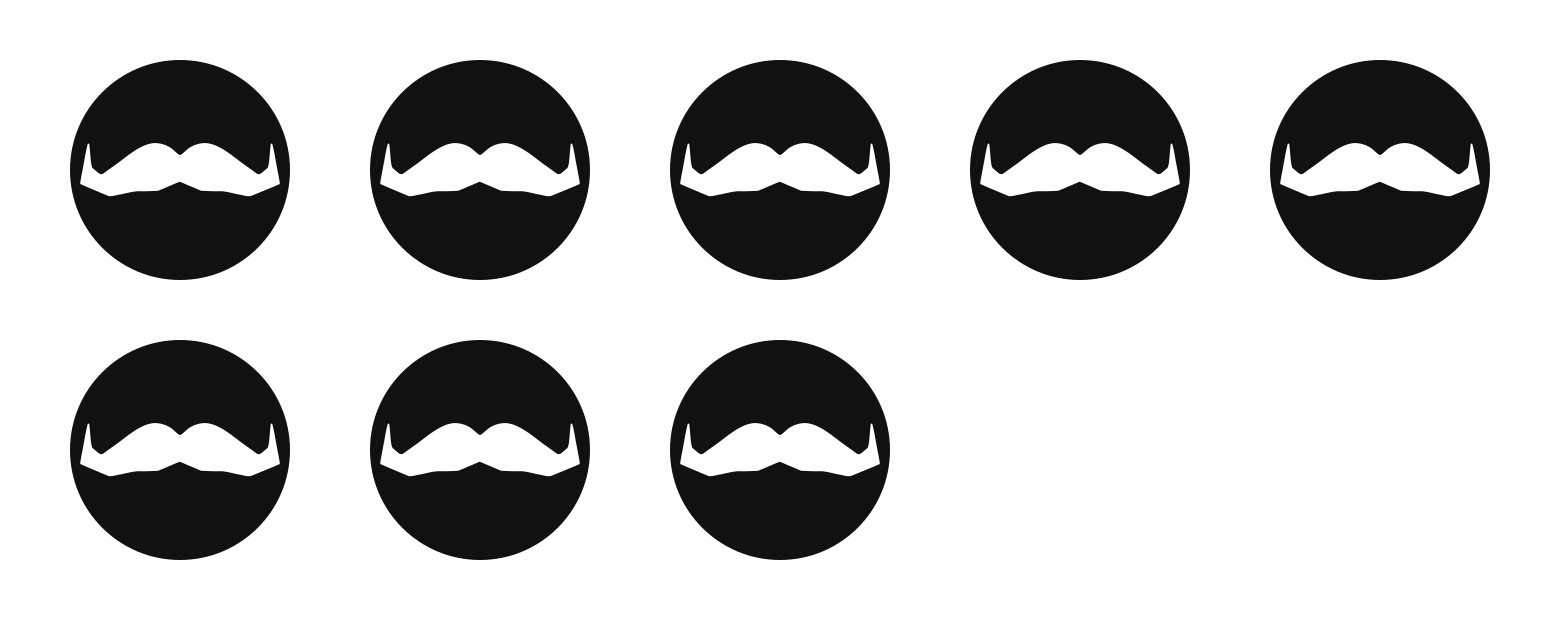
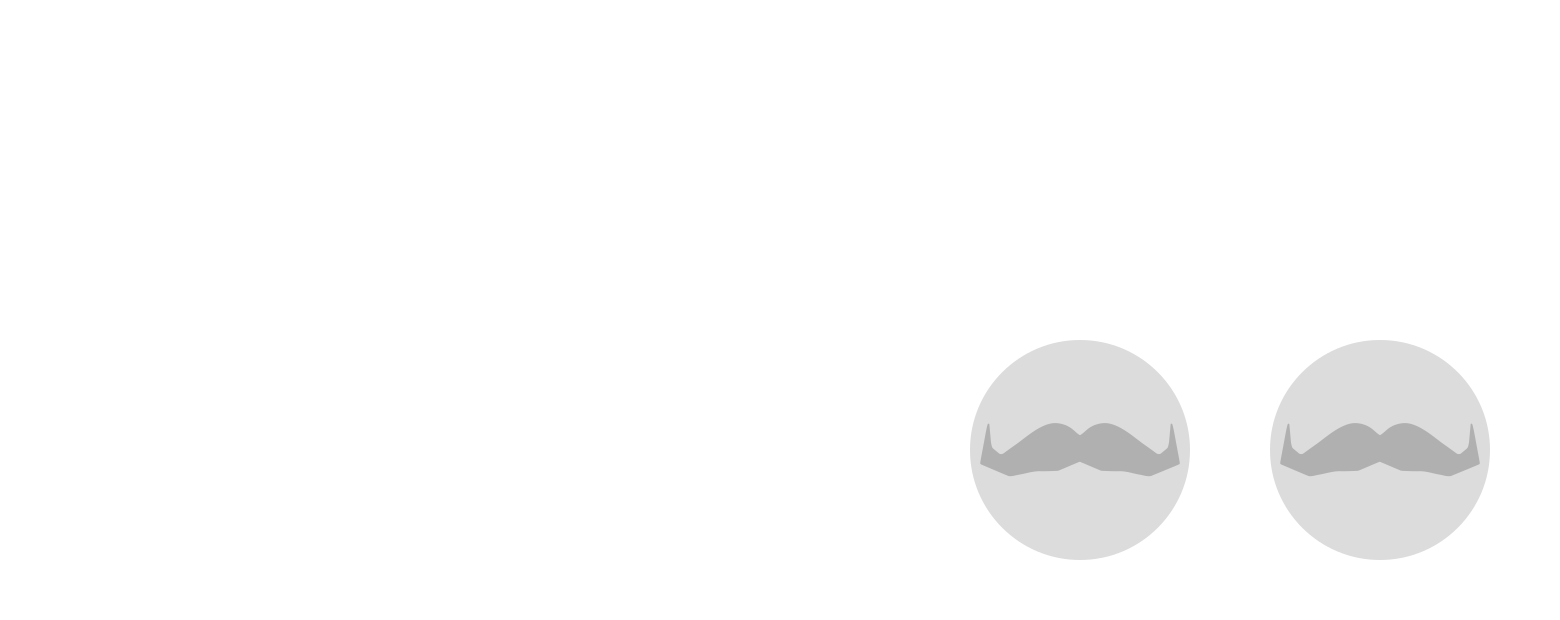
Despite this contact, outcomes remain poorer.
In 2023, more than half of all deaths in Australian males under 75 were potentially avoidable. Suicide was the second-leading cause, behind coronary heart disease (AIHW, 2024).
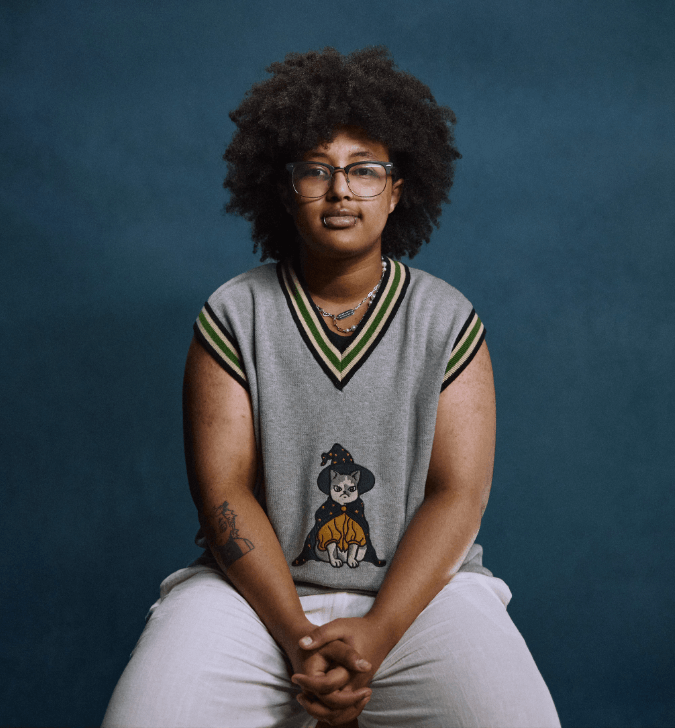
of Australian males who died by suicide accessed at least one health service in their last year of life. (AIHW, 2024)
This is where the pharmacy counter matters
- 3 in 5 males were living with at least one selected long-term health condition in 2022 (AIHW, 2025).
- Over 152.5 million PBS prescriptions were dispensed to males in 2023–24 (Department of Health and Aged Care, 2024).
- 50% of the men who died by suicide had a PBS mental health prescription in their last year of life (AIHW, 2024).
Pharmacy is the easiest health encounter a man can access. Whether it's a quick exchange at the counter or a longer conversation in the consult room, the pharmacy interaction is where risk can be spotted, trust can be built and future engagement can be shaped.
When it works, it opens the door to earlier intervention. When it falls short, men come back later, somewhere else, with more complex needs.
The opportunity is now
For years the burden has been on men to show up, speak up, seek help. The evidence is clear; that doesn't work. The opportunity sits with pharmacists who think differently. You're one of them.
Dr Zac Seidler
Hi, I'm Zac Seidler, clinical psychologist and the Global Director of Men's Health Research at Movember. I've dedicated my academic and professional career to understanding men's mental health and masculinity and the role they play in health outcomes across the globe.
Despite the old adage that men don't seek help, we know that most men will interact with the healthcare system at some point. But what we've learned over the years is that this contact doesn't always translate into better outcomes.
Many men care deeply about their health, but they don't always engage with healthcare in ways our systems expect. When this happens, important opportunities to detect issues early, start treatment, or stay connected to care can be missed.
This course is designed to help us better understand why this happens — and what we can do about it. We'll do that by looking at three things.
First, how expectations around being a man develop over the life course, and how these ideas can shape the way many men approach their health.
Then, what we can do about it in everyday practice — evidence-based strategies you can draw on straight away to strengthen engagement and support better outcomes for men and boys in your care.
And finally, how all of this plays out in men's mental health — an area where the stakes are high, and where distress can hide in plain sight.
The course draws on our leading research from the Movember Institute, alongside lived experiences shared by men and healthcare professionals.
The evidence is clear: a single clinical encounter can shape a man's relationship with healthcare for years. Let's make the most of it.
The plan

- Part 1: Reframing masculinity
What shapes the way men think about health and help-seeking, and why it can impact your practice. - Part 2: Meet him where he's at
Strengths-based, evidence-informed strategies for improving engagement with male patients, including the MALE framework. - Part 3: Behind the script
How men's distress can hide behind a request and what you can do to reach the man behind it.
Ready? Let's start with Part 1: Reframing masculinity.
Gender is a social determinant of health
Gender shapes health outcomes across the population. On average, men die before women. Women spend more of their lives in ill health and disability. Trans and non-binary people experience worse health outcomes than the general population. None of these things are acceptable
The Movember Institute focuses on improving men's health globally. That's why this course focuses on men. It sits inside a broader movement for gender-responsive healthcare that recognises the different needs of women, men and non-binary people.
Part 1: Reframing masculinity
1.1 A backpack of bricks
A man comes to the counter for pain relief. You talk him through how much to take, and he waves it off: "I'm a big bloke, I need more than what's written on the box."
Is he being difficult, or is something else going on here?
Being a man comes with unspoken rules: what to do, how to feel, when to ask for help, when to push through. These rules don't come from nowhere. They build up over time, shaped by family, friends, culture and media. One way to picture it: imagine masculinity as a backpack.
Dr Zac Seidler
To understand how cultural and societal expectations shape men's behaviour, it can be useful to think about masculinity as a backpack. Every man is handed one at birth and carries it through life.
Inside each man's backpack are different configurations of bricks — and each brick represents an expectation or understanding about what it means to be a man. Those messages aren't inherently good or bad. Some will serve him well. Others can make life harder. Most of them are useful sometimes and restrictive at others, but nonetheless, most guys carry these bricks, often unaware, into all situations.
Across the lifespan, men are handed these bricks through everyday experiences with family, friends, school, work, media and culture. Sometimes the man knows the brick is being placed in their backpack, but often they don't. Let's look at a few examples.
Imagine a young boy who falls over and starts to cry. His father quickly tells him to "don't cry mate, you'll be alright." In that moment, the boy receives a message that men shouldn't show emotion. The brick he picks up might be that masculinity is synonymous with stoicism, resilience, or self-reliance. That's one brick in the backpack.
Now imagine a teenager who constantly sees messages online suggesting that successful men are fit, ripped, rich, and always in control. Here, he may pick up a brick about dominance, being a lone wolf, or the alpha in the room. Another brick goes into the backpack.
Sometimes the messages are more subtle. Imagine a young boy choosing a pink toy from the toy store. The adults around him switch it for a blue one. In that moment, he may pick up a brick about what boys should not be — reinforcing ideas about masculinity, femininity, and belonging.
This is clearly a simplified way of thinking about masculinity. These "bricks" aren't formed through single experiences but rather through multiple interactions that all reinforce a single expectation. Over time, this builds something much bigger.
Because when men walk into healthcare settings, they bring more than just symptoms or concerns. They bring a lifetime of experiences, expectations and pressures about what it means to be a man that all play out in front of you. Those experiences can shape how comfortable someone feels asking for help, talking about their concerns, or accepting support.
Keeping that in mind can help us make better sense of what's happening in the interaction and respond more thoughtfully. Because when a man seems guarded, brief, unsure or reluctant to go further, it's unlikely to be that he has a lack of interest in care. Instead, it likely reflects the messages he has carried for years about coping, control, emotions and what it means to be a man. Our role is to understand what he may be carrying and work with it to support him.
These bricks are handed to men over a lifetime. Researchers call them 'traditional masculine norms'. They usually include:
Select each brick to learn more.
Pick up a brick
Select any expectation on the right to learn more.
Think about the men in your life. Do any of these ideas seem familiar?
Masculinities unpacked
None of this is a criticism of men, or of masculinity.
Masculinities — the plural is deliberate — are built by culture, not biology. They look different across communities, generations and individuals. They aren't only performed by men and they aren't all harmful. The same brick that teaches a boy to push through pain can serve him well in some moments and cost him dearly in others. The point isn't to throw masculinity out. It's to understand where these rules come from, and when they help or harm.
The 'right' kind of man
Masculinities also exist in relation to each other. There's always a version treated as the 'right' kind of man in a given setting, and others ranked below it. That's why the backpack looks different depending on where a man grew up and what he learned would earn him respect.
Think of a time you felt pressure to behave (or not behave) a certain way because of your gender. Where did that pressure come from? What did you think would happen if you didn't go along with it?
Context changes everything
Think about a man crying. At a grand final when his team wins, it's accepted, even expected. On the pharmacy floor, that same man may feel deep shame or sense he's being judged. The behaviour is identical. What's changed is the setting and the circumstances.
Modern masculinities
These rules aren't fixed. Most men today hold views that are more progressive than in the past. But many still assume society expects them to be the traditional stereotype. Men end up performing a version of masculinity they don't fully believe in, because they assume everyone else does.
Choose a man in your life whose behaviour sometimes aligns with traditional masculine norms, and at other times, does not reflect these norms. Why might he lean on traditional masculinity in one setting, but not another?
It's never just gender
Masculinities don't work in isolation. They interact with race, class, sexuality, disability, immigration history and other parts of a man's life. The same norm can land very differently depending on who he is and his context.
For Aboriginal and Torres Strait Islander peoples, culture is a protective factor, and connection to Country, family, kinship and community, cultural identity and self-determination are all sources of strength, resilience and wellbeing. At the same time, Aboriginal and Torres Strait Islander men face the worst health outcomes of any group in Australia, shaped by the intersection of gendered norms, structural racism, historical dispossession and geographic disadvantage.
Men from culturally and linguistically diverse backgrounds may face cultural values that compound masculine barriers to help-seeking. Research shows that in some communities, admitting the need for help is experienced as "losing face" or "weakness," with help-seeking seen as culturally foreign.
Rural and regional men face a double barrier: stoicism has been shown to increase with distance from metropolitan areas, compounded by limited service availability, long travel times and high out-of-pocket costs.
Men in high-disadvantage areas are significantly more likely to experience barriers to healthcare than those in low-disadvantage areas.
Avoid assuming that the same approach will work for every man. Ask what matters to him, who he would like involved and what support would feel appropriate in his cultural, family and community context.
The man across from you is never just 'a man'. He's shaped by the intersection of his gender with everything else that has defined his life.
Just a starting point
This introductory course covers the fundamentals of masculinity — the norms and patterns that show up across most men's lives. We start here because it gives us a way into understanding one layer of the bricks men carry and how that layer can shape their healthcare. The previous examples show how those norms meet other identities, but no two men carry these layers the same way. Treat them as a starting point for ongoing development.

1.2 Boys don't cry
Big boys don't cry. Most men heard some version of it before they were old enough to question it: showing you're hurt is weakness, and weakness is something you hide.
That lesson doesn't fade. By the time a man's standing at your counter, the same habits that put his health at risk, pushing through, going it alone, never letting on, are the ones that make it hard to say why he's there.
This is the bind at the heart of men's health. The masculinities that make a man more likely to need care are the same masculinities that make seeking it feel like failing. Researchers call it a 'double bind'. Some men feel this so strongly that they say the idea of being seen as weak is worse than the idea of being dead.
Walking up to your counter makes this easier. No appointment, no waiting room, no time off work. You are the lowest-friction healthcare contact many men have, but walking up is still a form of asking for help. Remember, when a man walks through your door, he has often already cleared a significant internal barrier.
James Georgiou
The tradie that's come in who's taken his boots off at the front door and then walks up and literally will just not even know where to go. He'll be so flustered that the pharmacist comes out. You have all the different types of men that come through your pharmacy door.
Anna Georgiou
A really stark example has been when a male customer has walked in and gone, "I want to speak to the man. Where is the man that is on today?"
James Georgiou
The man that comes in who will straight up say, "I don't even know how to put a prescription in because my mom's always done it and now my girlfriend does it or my wife does it." That's not even trying to get to the point of how do you engage with this person to offer something. You're teaching them how to, I guess, navigate the system.
Brad Butt
There's a lot of different things that they've grown up with that'll change who they are and how they would interact and how open they can be. I think largely, healthcare is managed by the female in the family. It'll take them a lot of courage to perhaps present to come in and see us. Sometimes men feel it's not their space, you don't need to talk about it. It's this idea of it's weak to speak, don't talk about it.
Anna Georgiou
You tend to see males come in not wanting to engage with you, and then you get back up, and then you actually don't want to engage with them. I'm going to reframe that and be like: How can I speak to Mr. Smith in a way that he is going to engage with me and actually want to come in?
Brad Butt
What I've learned over the 12 years that I've been doing this is that men are actually wanting to have a conversation, and probably a decade ago, I would've been more inclined to sort of push through the process, and it was probably a little bit more cookie cutter. And what I mean by that is the guy would come in, and I already had a solution for the guy. I didn't know who the guy was. I didn't know if he was straight or not, if he was bi. I didn't know anything about the guy. I didn't know if he had a living partner, if he was divorced. I knew nothing about him, but I already had in my head a set of protocols that I was going to apply to him and a solution in mind already.
And I think sometimes now in reflection, that we actually need to take them as we find them and work with them in the headspace that they're in and with the conditions that they're looking to get fixed up. Just because it's a priority for me, it might not be for him, and it might not be right now, but it might be later. It's not a cookie cutter.
Once he starts, he stays.
In the UK, over 9 in 10 men use a pharmacy, but only about 1 in 4 ever ask the pharmacist a health question. (Pollard, 2026)
ever ask a health question
The footfall is there. The conversation isn't.
engage at least monthly
of men aged 25 to 34
But the men who do start talking tend to keep coming back: of those who engage, 57% do so at least monthly, rising to 77% of men aged 25 to 34. You're not getting a man to seek help from scratch, he's already at your counter.
Your job is to turn one transaction into a relationship, because once a man trusts a pharmacist, he uses that trust again and again.
1.3 Not one man, but many
Masculine norms don't look the same across a man's life. What stops a 22-year-old from speaking up looks different from what weighs on a 55-year-old and different again at 70. Treat traditional norms as a starting point, not a default.
Select each life stage to reveal more.
In their teens and early twenties, men are working out who they are as men. Their friends and family are often watching this process closely, adding a layer of pressure which is unique to this developmental period. For many young men, asking for help feels like the opposite of becoming the kind of man they want to be. Bringing up a mental health or sexual health concern can feel like failing, not like a sensible thing to do.
Many young men also rely on friends, partners and family for advice, more than they rely on doctors or nurses. When they do come in, they may not know what they're supposed to do or say. A bad first experience can put them off for decades. But the opposite is just as true: a good experience can shape how they engage with healthcare for the rest of their lives.
By midlife, many men see themselves first as providers, partners and parents. For many, work and family come first, and their own health comes last.
Across the working years, around one in four Australian men put off seeing a GP when they need to. That number barely moves from a man's mid-20s to his mid-50s. By this stage, years of putting things off can start to show up. Chronic conditions, heart risk and mental health problems often arrive late and worse than they should be.
Source: Australian Bureau of Statistics. (2025). Patient experiences in Australia 2024–25.
Big life moment, like becoming a father, moving in with a partner or losing a parent, often shift things: they provide an opportunity for engagement with care but also present other unique pressures to attend to.
In many older men, decades of stoicism and self-reliance have settled in, which can make new symptoms harder to talk about. Retirement can strip away a big part of who they've been, social contact often shrinks, and the risk of loneliness grows. This creates a vulnerability the patient is unlikely to name.
The stakes are high as several factors combine:
- Close to one in five Australian men say they're socially isolated.
- Most people who outlive their spouse are women. So older men often grieve alone, without the support networks that might help them through it.
- Older men experience the highest rates of suicide of any age group.
Reflect on three men in your life. One young, one middle-aged and one older male. What are some of the unique age-related masculine pressures each of them felt? How might these have interacted with their healthcare journey?
1.4 Flying blind
Masculine norms shape more than help-seeking. They also shape what men know about their own health, and how confident they are using that knowledge. Many men arrive at the pharmacy without the basic health knowledge most women picked up as teenagers.

The health literacy gap
Most women start dealing with healthcare early. Contraception, periods, cervical screening, pregnancy. From their teens onwards, they're in and out of pharmacies, clinics, GP rooms regularly. Over time, they get familiar with the system. They learn how to ask questions. They learn what to expect.
Most men don't get that same scaffolded exposure to healthcare. There's no socially acceptable reason for a young man to see a GP, fill a script or follow up a referral; it's typically associated with illness or injury.
The gap is measurable. Men consistently score lower than women on health literacy: finding health information, understanding it, and acting on it. The more male-dominated the workplace, the lower the scores.
The consequences are significant:
Select each item to reveal a consequence.
The double bind
Being told to "tough it out" makes the health literacy gap worse. A man who's been taught not to admit weakness is unlikely to admit he doesn't understand what a test is for, or that he's not sure if his symptom is serious. At the counter, this is the man who nods along when you explain a new script, asks no questions and walks out without really knowing what he's been told.
It's also passed down. When fathers don't go to the GP, sons don't see help-seeking modelled. The cycle keeps going.
When a man comes in late, says little and asks no questions, ask yourself: is he not interested in his health, or is this someone who was never shown how to do this?
Think about the men you see at the counter. How many know how the healthcare system works? How many would know what to ask, where to go, or what to do with a script if you didn't talk them through it? How many read through the leaflet?
1.5 What's in your backpack?
So far, this module has focused on the men you see in your work. What they carry. How it shapes what they say, what they don't, and whether they come back. But there's a second backpack in the room. It belongs to you.
Every practitioner brings their own beliefs and assumptions about the people they treat. Some you can see. Many you can't. They came from family, culture, training, experience and the world you grew up in. Gender is one of the strongest, and one of the hardest to see in yourself, because it's everywhere.
This isn't a criticism. It's not unique to any type of practitioner. The research is clear: cultural norms shape how we judge people, often without us noticing.
No one is exempt. The question isn't whether you hold gender-related assumptions. It's which ones, and where they show up.
Take a moment before reading on. Reflect on yourself, and your own gender development. This exercise is known as a 'gender role analysis'. Use the questions below as a guide:
- What defined your early ideas of your gender and who influenced it?
- What defines your gender now?
- Over time, what have you come to accept or reject about your gender role?
1.6 Clash of the bricks
The man in front of you is carrying his backpack. You're carrying yours. The space where they meet is where bias quietly takes shape — not through conscious prejudice, but through what feels normal, what goes unquestioned.
Consider a couple of examples of how this might look at the counter.
These aren't dramatic failures. They're how gender assumptions operate in clinical practice: quick, plausible, often invisible. The risk is overlooking behaviours as 'the way men are' when the reality is more complex and more clinically relevant.
Kai's experience
Kai
I think I got it from my dad, where it's like, "It's fine. You're not crying, are you?" Otherwise, it's a waste of time for you. I keep time whenever I'm with a professional because I'm so anxious about taking too much of their time, and I'm usually like, "It's fine. If I'm not dying, then it's fine."
I have a history of trauma, so it makes it very hard for me to actually voice my opinions. It took a severe mental ill health and almost killing myself to get to that point. I can't just raw dog life and just hope for the best.
My mental health started deteriorating, so it had been a lot harder just to get out to eat, to see people. So it had been maybe two weeks since I was supposed to pick up my meds, and the side effects were kicking in, so it was extra hard. But I mustered up whatever strength I had, and I went to the pharmacist to finally pick up my meds, and the earful that he gave me. I understand that it's a high-pressure situation. Everyone is understaffed. Everyone is underpaid. It makes sense, but especially when you're dealing with prescription medication for antidepressants, obviously, you're going to assume that the person is suffering from depression or anxiety. It's just so single-minded. They're not really thinking about what you're struggling with.
Just because you find it easy to get to work on time doesn't mean everyone does. When I go get my meds at the pharmacist, I want a lack of judgment, regardless of whether I'm late by one day or one week, an understanding that there's a lot of factors in my life. Judgment means that I'm not good enough. It means that I have to justify my situation. Judgment means that I'm not needed, or I'm not wanted in that space.
What now?
You've reached the end of Part 1: Reframing Masculinity.

You've explored how masculine norms are formed, reinforced and carried across a man's life and how they show up at the pharmacy, including your own.
In Part 2: Meet him where he's at, we introduce a practical, evidence-based framework for improving engagement with male patients.
Additional resources
Tick the resources you'd like to keep, then email them to yourself. Anything you saved with the bookmark button as you moved through the module is already ticked for you.
Tip: save resources as you go using the bookmark button inside each "MOUSTACHES LOVE RESEARCH" panel.
Your reflections
Review everything you wrote during the module, and email or print a copy to keep for your own records.
You have now completed this module. Click ‘Next’ in the bottom right hand corner to continue to the next module.
Changelog
Current version: v0.36
- Learning-outcomes screen now carries the PSA Accredited CPD stamp and the PSA National Competency Standards (2016) this module maps to — 2.1, 2.3, 3.2, 3.3, 4.1.
- New Acknowledgement of Country screen added after the FAQ (now screen 4); every later screen shifts by one.
- Accessibility & cleanup: subtle/label text darkened to meet WCAG AA contrast; captions and Tips headings track text-size and night mode (shared engine); removed unused packaged images.
- Content-gating for PSA accreditation (Pharmacy only): Continue now unlocks only once the learner has engaged with every major interactive element on a screen — the S13 backpack activity, the S16 accordion, the S20/S22 reveal cards and the S25 bias-scenario cards. Optional content (Pause for a Mo reflections, Moustaches Love Research boxes, videos) is never gated.
- Engine hardening: the quiz “unlock next” step now targets the screen the question was answered on, so a fast Continue click straight after answering can no longer skip the following screen’s content gate.
- S16 “It’s never just gender”: reordered the Aboriginal and Torres Strait Islander paragraph to lead with culture as a source of strength and protective factor, then the health-outcomes context.
- PSA accreditation updates. S16 “It’s never just gender”: added cultural-safety content (culture as a protective factor for Aboriginal and Torres Strait Islander peoples, guidance to ask what matters to each man, and a new MOUSTACHES LOVE RESEARCH box with three references).
- S2 navigation help: rewrote the Support and “Report an issue” descriptions. S3 FAQ: reworked “How do I get help?” and added a new “How is my progress assessed?” question.
- S27 & S28 knowledge checks now carry an “Assessment activity” eyebrow.
- Stakeholder review: S4 learning outcomes — new photo (newM1S4) replaces the cropped middle portrait; S6 — the line under “2 in 5” given more space; S7 — the 87% stat card aligned to the text measure; S12 — the counter scenario moved into a shaded box with both lines at one size; S25 — “ED medication” → “erectile dysfunction medication”.
- Mobile: the 1.6 bias-scenario cards no longer collapse to zero height.
- Housekeeping: removed the unused S20 infographic activity from the package; background divider videos now load only when their screen is reached.
- Pharmacist SME feedback: S15 "Context changes everything" and S16 "Modern masculinities" combined into one screen. The first screen’s "Pause for a mo’" is removed; the second’s is kept, with the MOUSTACHES LOVE RESEARCH panel closing the screen.
- Screens renumbered 15–29 (was 30 screens, now 29).
- S4 learning-outcome arrows render brand purple again — an
invert(1)filter was turning the lilac arrow olive-green (also affected night mode's fallback dot). - S18: "The examples above" → "The previous examples".
- S20: engagement figures rounded to whole numbers (57% and 77%), in both the animated counters and the body copy.
- List bullets are visible again — the arrow marker was missing on this module's list screens.
- Video on screen 27 now renders at its full width (was 271px).
- S7 "pharmacy counter matters": simplified the animated three-figure card to a single hero statistic with the supporting figures as a plain list (mirrors the GP Part 1 treatment).
- S9 "The plan": the closing "Ready? Let's start with Part 1" line is now a display title.
- S10: aligned the closing statement to "None of these things are acceptable" to match the other streams.
- Reduced motion is now a setting in the accessibility panel (turns down animations, moving backgrounds and transitions); the moustache/GIF and background videos honour it.
- A wrong quiz answer now always highlights the correct one in purple.
- Video and its transcript are always the same width, with the "Read transcript" button centred between them; transcripts no longer scroll in a small box.
- Practical-toolkit "moves" show a blinking arrow on the next one to open and a tick once opened; the "Copy" button was removed.
- Research panels are labelled "Moustaches love research" everywhere.
- New FAQ answer on certificates and CPD; removed the per-part durations.
- Accessibility: settings toggles and embedded videos now have proper names for screen readers; the reduced-motion control stays reachable when your device already forces reduced motion.
- Learning-outcomes and expressive copy now respond to the Text-size control.
- Images optimised for faster loading; brand fonts served as WOFF2.
- S8: rebuilt the 8-in-10 moustache infographic so only the eight black moustaches pulse; the two grey ones stay static.
- Onboarding & FAQ copy updates (consistent across all MiM Pro streams): reworded the Continue-button navigation hint; removed the trailing Oxford comma in the accessibility-settings hint; and revised the "Can I take a break?", "How long is this course?" and "Do I need anything to complete the course?" FAQ answers.
- Mixpanel tracking wired in: loads mixpanel_analytics.js, registers the stream/module-part/course super-properties, and names all five video screens for the reports. Tagged every FAQ, intersectionality accordion, life-stage reveal, consequence bullet and "clash of the bricks" card with a
data-track-nameso their opens show up in the data; added link_clicked on research-paper links and reaction_clicked on "Save for later". No learner-facing change.
- Middle-aged masculinities: replaced the static "men delaying GP" chart image with the finalised animated SVG line chart from Claude Design — axes/line/points/value-labels animate in sequence and the purple plateau callout rises in, replaying each time the chart scrolls into view. Vector, so it scales crisply and no longer needs click-to-enlarge. Shared engine gains the reusable
[data-delay-chart]component.
- S6 ("The opportunity is now"): replaced the eight.png "10 men" graphic with the finalised moustache-8in10.png (eight filled / two faded moustache icons), and removed the photocopy texture from this slide's background so it sits on a flat background.
- S4: committed the missing p3.jpg portrait (top-left of the learning-outcomes band) — it was referenced but not in the repo, so it rendered as a broken image.
- S7: committed the missing counter-portrait.jpg (the "counter in numbers" card portrait) — same broken-image cause.
- S8: added a small gap between the intro text and the video, and centred the transcript pill directly under the (left-aligned) video instead of across the full page width.
- S9: removed the az1 portrait image below the course-overview list.
- S14: removed the small MIM_Person1 figure beside the "Masculinities unpacked" heading.
- S20: the stat numbers now count up when the screen is viewed; removed the top-left "9 in 10 — men use a pharmacy" card (already stated in the lead sentence).
- S7: source text (AIHW, 2025; Dept of Health and Aged Care, 2024; AIHW, 2024) made black.
- S9: az1 portrait image added below the course-overview bullet list.
- S20: removed stale iframe CSS that was stripping all screen padding and breaking layout.
- Bullet lists: removed large-arrow module override; all bullet lists now use the standard small purple arrow from shared CSS.
- Transcript buttons: fixed left-alignment caused by justify-content:space-between override in module.css.
- Course renamed to "Men in Mind for Pharmacists" (page title, header, hero heading, alt text, module.js references).
- Hero copy updated to the new shared course description (gender responsive care framing).
- S4: learning-outcome spacing normalised — row-gap added to .lo-list-wrap so items 4–5 are evenly spaced with items 1–3.
- S6: "Men really do care about their health." bolded.
- S7: "a man can have" updated to "a man can access."
- S8: "You're one of them." bolded.
- S9: "This course is divided into three parts." paragraph removed.
- S19: "Big boys don't cry." bolded.
- S7: removed the black igs-card wrapper and purple "The pharmacy counter in numbers" subheading; updated stat text colours for white background.
- S20: replaced the click-through infographic iframe with inline static content — all data verbatim, no click-through.
- S27: replaced Kai video (Vimeo 1207576946) and updated transcript to pharmacy-specific version (KaiPharma.srt).
- Transcript control standardised to the "📄 Read video transcript" pill, centred directly under every video (now the design rule across all courses; replaces the older "View transcript" link).
- S14: sized the figure to the heading height so the awkward gap under the heading is gone and the figure no longer clips "None of this is a criticism of men, or of masculinity."
- S20: the engagement widget now uses the whole screen, and MO' RESEARCH now lives on the widget's final slide (was beneath the widget).
- S5 & S19: added per-speaker labels (Brad Butt, Anna Georgiou, James Georgiou) to the montage transcripts; split the combined Anna/James paragraph in the S19 transcript.
- S7: replaced the "counter in numbers" infographic with the new Claude-design two-column card (stats stacked left, full-height portrait right, count-up animation).
- S14: moved the figure in beside the "Masculinities unpacked" heading (was floating in the top-right corner).
- S20: the engagement infographic now adapts to the viewport (capped by height so the whole panel shows without scrolling, staying as large/readable as the screen allows); MO' RESEARCH centred beneath it.
- S25: swapped the top-right figure for MIM_Zig-Zag1 (same size).
- Renamed the course to "Men in Mind for Pharmacy" (removed the "Primary Care" branding) — page title, header, hero heading and subtitle, saved-resource exports and SCORM title updated. Academic citations that reference primary care are left unchanged.
- Video tiles on text screens now align to the left edge of the body copy (were centred/offset), and the "View transcript" button is centred directly under the video. Engine-level fix in the shared component layer, so it applies to every course.
- S4: replaced the far-left face in the learning-outcomes band with p3.jpg.
- S6: merged the montage image into the black "2 in 5" box (box now encapsulates the image, with a strip of black to its right).
- S7: removed the background texture; brought the white text down in the 87% box so it no longer clips the purple highlighter; realigned the "counter in numbers" infographic into a clean 2×2 square.
- S14: reduced the "Masculinities unpacked" figure and aligned it beside the heading.
- S20: reworked so the engagement infographic fills the screen, with MO' RESEARCH beneath it.
- Mobile: fixed the header controls clipping off the right edge on phones — the logo, progress counter and four icon buttons overran narrow viewports and cut off the menu button. Tightened the mobile header (smaller logo, icon size and gaps) so all controls fit on 360px+ screens. Engine-level fix in the shared component layer.
- Slide 7 infographics: the 87% black box now has a larger portrait filling it with the white text dropped to the bottom-right (clear of the purple underline); on the "pharmacy counter in numbers" card the portrait moved out of the corner to sit under the 152.5M stat with a purple highlight.
- Slide 20 — replaced the written "Once he starts, he stays" copy with the handed-over interactive 4-slide engagement infographic (click-through, animated count-ups and highlighter, embedded as a self-contained activity that scales to the screen). The Pollard (2026) research panel is retained below it.
- Feedback: slide 4 — learning outcomes set to a single left-aligned column, one montage portrait swapped for the montage image, centre portrait nudged so the face isn't cropped; slide 6 — montage image placed beside the "2 in 5" box and the box brought inline with the text width; slide 14 — the figure beside the heading made much smaller; slide 19 — removed the duplicate lead line (it's on the video tile); slide 22 — image replaced with slide22; slide 27 — Kai video given the standard black poster + instruction text, duplicate line removed.
- Slide 7 — the 87% stat box now uses portrait-1 (the infographic keeps portrait-2), so the two images differ.
- Feedback wave 1: slide 7 — 87% stat box reworked (portrait left, figures moved right) and portrait added to the infographic, with the three figures recoloured MIM purple; slide 9 — course parts now use purple-arrow bullets; slide 11 — part-divider background video swapped to MIMPRO_Video_Pharmacy_01; slide 14 — MIM_Person1 added beside the heading; slide 21 — "factors combine" list on purple-arrow bullets; slide 23 — click-to-reveal markers changed to the purple arrow; slide 26 — bias scenarios converted to image pop-ups (same interaction as GP Module 1); slide 27 — Kai video wired (Vimeo 1201325367) with transcript.
- Wired the final videos + transcripts: slide 5 (SME montage, Vimeo 1203366406), slide 8 (Dr Zac Seidler — course intro, Vimeo 1199103465), slide 12 (Dr Zac Seidler — the backpack, Vimeo 1199103466) and slide 19 (SME montage, Vimeo 1203366404). Replaced the slide 7 bullet list with an animated count-up stat infographic. Removed the background texture on the references slide (plain white).
- New hero image (slide 1).
- Stakeholder feedback round 1 (global). Sound notifications off by default; transcript button centred below video.
- Initial build — Pharmacy Part 1 authored from storyboard V0.4. Cloned from the MiM Pro GP Part 1 engine/components; content, sequence and stats reframed for the pharmacy counter (30 screens). Videos are placeholders (frame.io SME montages and Box source links recorded in config for later Vimeo wiring). Kai "Hear it from him" + 2 knowledge checks at 1.6. Post-build audit: closing "What now?" reworded "consulting room" → "at the pharmacy" (pharmacy-context fix, per Tom).