Men in Mind for Pharmacists — Part 3
1 / 31
SCREEN 1 · landing
Men in Mind for Pharmacists
Part 3: Behind the script

Men in Mind for Pharmacists

Men in Mind is an online training program built to help primary care professionals get the most out of every interaction with a male patient.

Part of Movember's work to change the face of men’s health, the course draws on leading research, the lived experience of men and primary care knowledge to unpack how masculinity shapes the way men seek help, communicate and engage in care.

The course is the first of its kind worldwide.

SCREEN 2 · cert-details
Your certificate

Enter your details once — we'll have your certificate ready at the end

When you complete this module you'll receive a personalised Statement of Completion. Enter your details now so it's ready the moment you finish.

Accreditation pending

Accreditation for this course is still being finalised. You will still receive your Statement of Completion at the end of this module, and Movember will contact you with an updated certificate and proof of attendance in the coming weeks.

SCREEN 3 · onboarding (how to navigate)
Before you begin

How to navigate this course

Click each section below to see the button it refers to light up. Give it a try.

SCREEN 4 · faq
Before you begin

Frequently asked questions

Select any question to expand the answer.

At the start of the course's final module, you'll be asked to enter your certificate details. Once you complete that module, your certificate will be ready to print, download, or email to yourself. We'll also automatically send your completion details to your governing body.

Absolutely! We know you may need to have breaks or get interrupted. That said, leaving the module 'idle' for too long may result in problems with the course registering as completed and you will need to start again. All you need to do is exit the course by selecting the X in the top right-hand corner. This will save your place and pick up where you left off next time.

The full course is made up of 3 sections, which take approximately 2.5 hours in total to complete.

If you run into any problems, don't fret! Feel free to email learning@movember.com with a screenshot or description of the problem you're having and we'll do everything we can to help, as quickly as we can.

Just a pair of headphones if you want to listen to any of the video content with sound. All videos are captioned so you can listen without sound. The course can be completed on your laptop, desktop computer or even your phone.

Whenever you see a "MOUSTACHES LOVE RESEARCH" panel or a highlighted link, it contains a citation or external resource you can open to read more. This is entirely optional, and there's a full list of references and additional resources on the final screen for you to email or keep.

Absolutely not! Throughout the course you'll be given a heap of optional content including educational videos, external links, case studies and journal articles. None of these are mandatory.

We also reference our supporting evidence constantly, which you can review if you're interested. Consume the optional learning at your own pace, or not at all. Don't worry about saving content as you go — there's a library of all the resources at the end of the module.

This module is designed to work with standard screen readers, including JAWS, NVDA and VoiceOver. Interactive elements are keyboard navigable, videos have transcripts, and you can adjust the text size, switch to night mode, or turn on reduced motion using the settings (gear) button.

If you experience any accessibility issues, please contact learning@movember.com.

SCREEN 5 · part divider

Part 3: Behind the script

SCREEN 6 · content

Part 3: Behind the script

  • Part 1 was about recognising the problem.
  • Part 2 was about building the relationship that gets him to come back.
  • Part 3 is about applying what we know to presentations where clinical connection is critical: men's depression and suicide risk.

Ready? Let's get started.

SCREEN 7 · content

Hear it from him

The men below show us what the research can't.

Let's start with Azhaan.

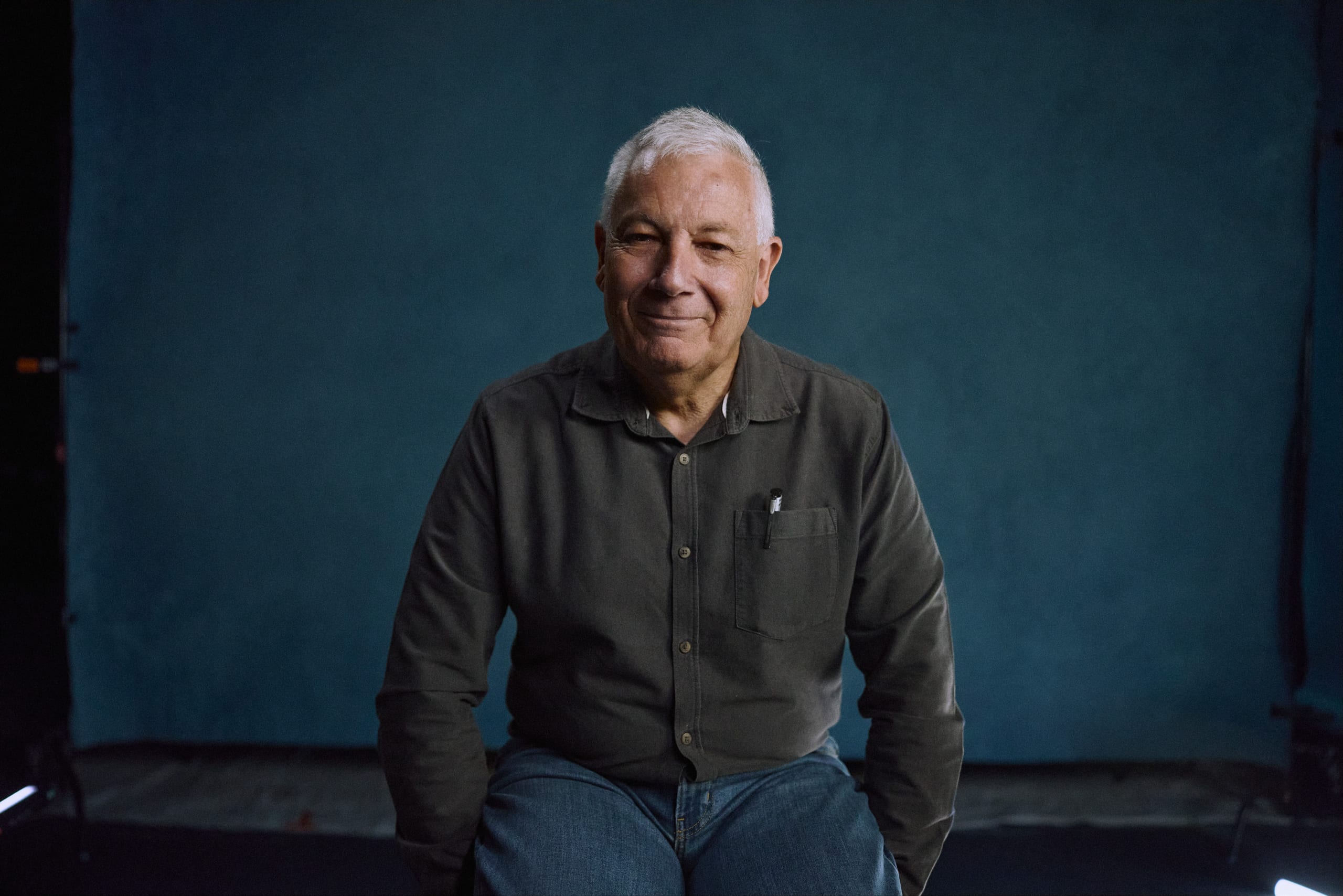
D David
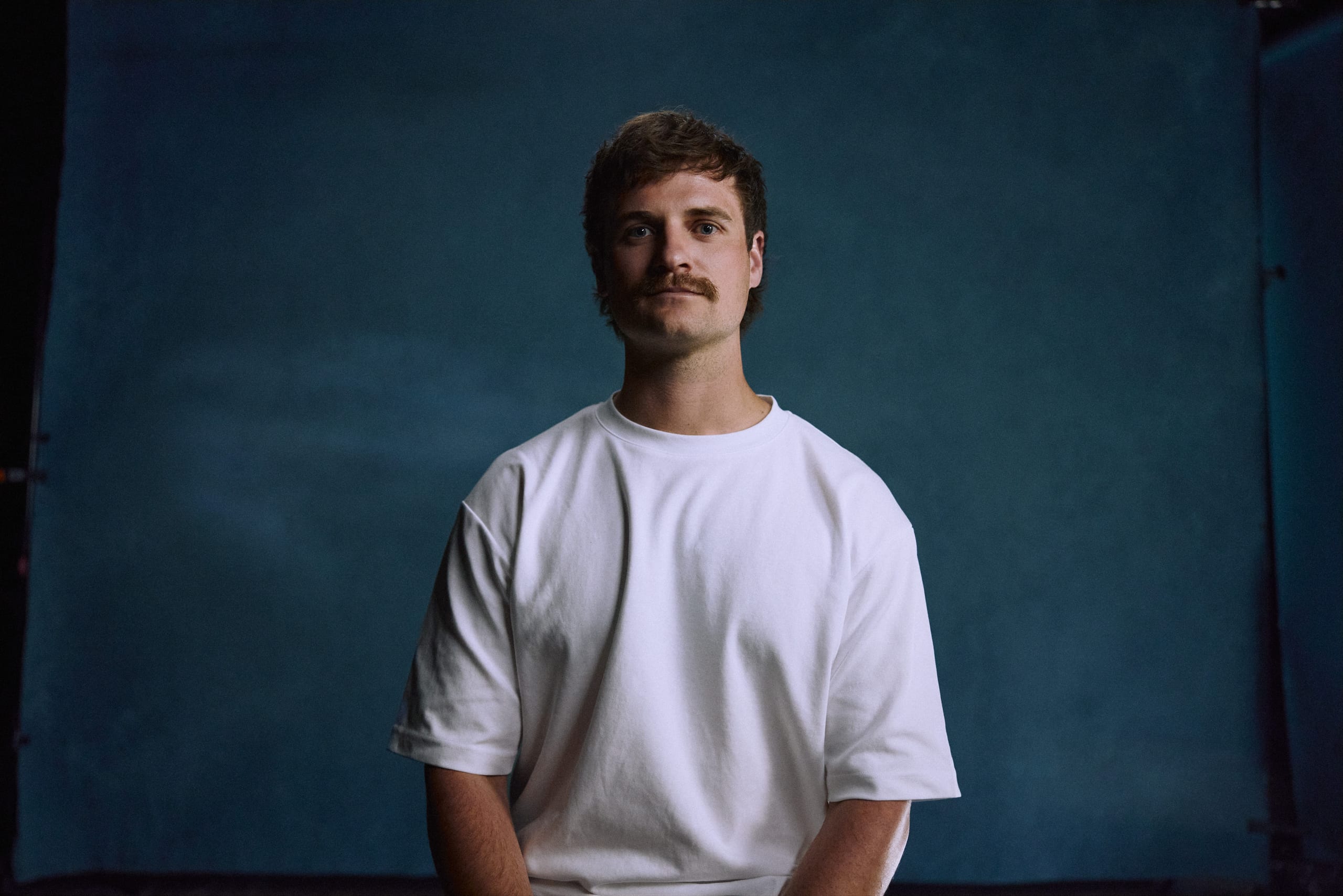
T Tom
SCREEN 8 · content (video)
Part 3: Behind the script

3.1 Meet Azhaan

Hear it from him

Watch this short video to learn more about Azhaan's experience.

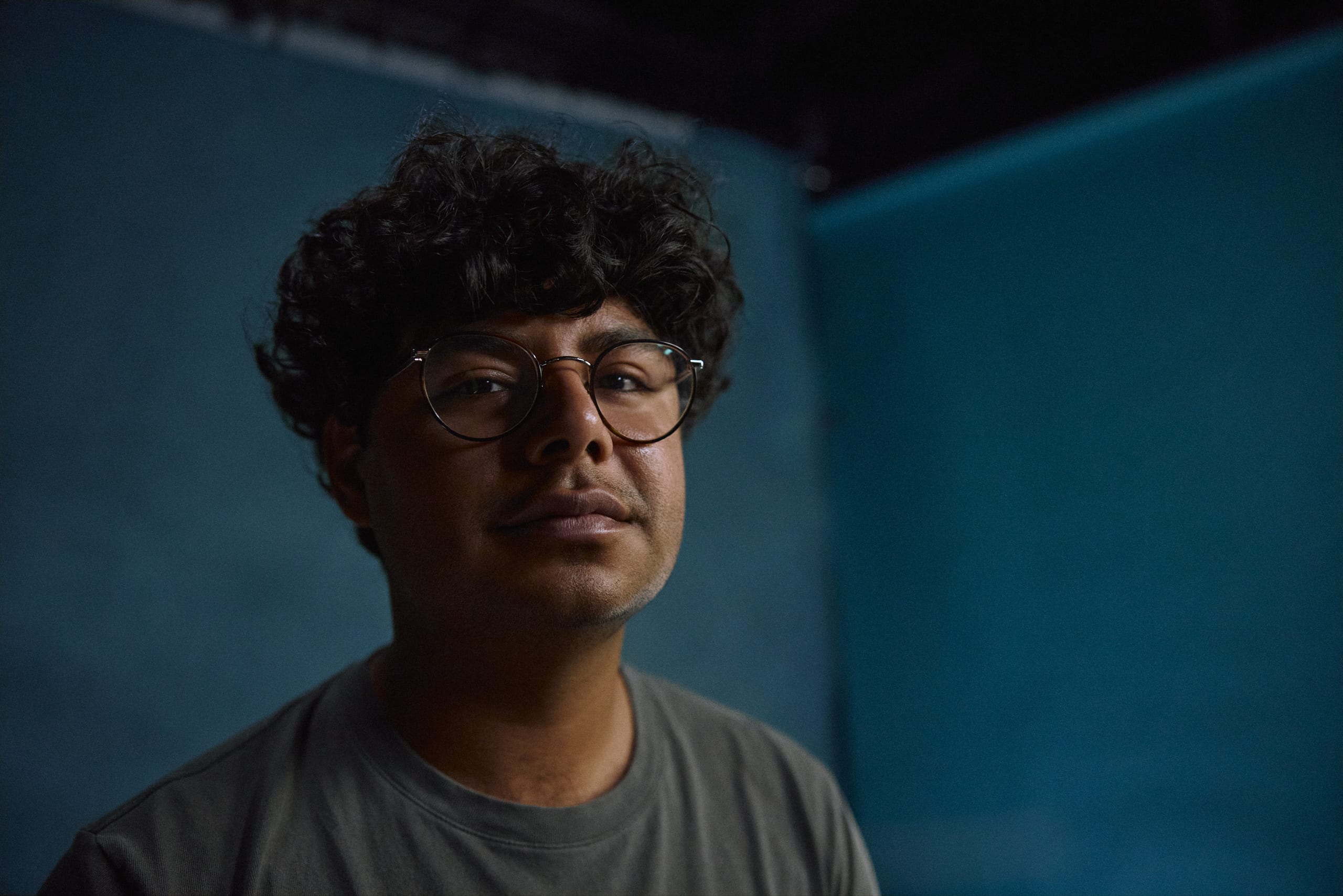
Azhaan

I think there's two sides of that pharmacist coin, the physical and the mental health one. So if I was coming in for something, just picking up antibiotics, I guess in the past I've just assumed I get my meds, I leave. But this one pharmacist that works next to the GP, amazing, he took the time when he gave me the medication, he's like: "Oh, has the doctor explained to you how this is taken?" And I said yes, because the doctor had. But even then, he took the time to say, "Okay, well, make sure you have it with food. It's a daily medication, but that doesn't mean take it in the morning one day and the night the next, only change it by two or three hours." But just explaining the steps around it, it made me feel like, look, he cared about the medication and cared about me actually taking it properly. And ever since, I think I've just felt a lot more comfortable picking up meds from that place as well.

It feels a little bit embarrassing to pick up a mental health medication from a pharmacist because it feels like I'm admitting that I have a problem. I don't like doing that. But he was just really nice about it. Just him talking about it that way, it almost normalized it for me. I felt extremely abnormal when I was picking up the medication, but him explaining it just like you would any other medication, it just made everything feel like it wasn't a problem, and that made me feel better.

SCREEN 9 · content

Every hero has a backstory

Azhaan

Some of it is what's happening now: work, relationships, a recent change. Some of it is what he's lived through. And some of it is what he's been carrying in his backpack. All of it shapes the man at your counter, and most of it you can't see.

Take Azhaan. The script he came in for was the part you could see. What you couldn't see was that, to him, collecting a mental health medication meant admitting something was wrong with him. The request was real, but it wasn't the whole story.

SCREEN 10 · quiz
Assessment activity  ·  Behind the script

Azhaan picks up antibiotics without a second thought, but collecting his escitalopram felt like "admitting I have a problem." What does this show?

SCREEN 11 · quiz
Assessment activity  ·  Behind the script

Azhaan says the pharmacist explaining the escitalopram "just like you would any other medication" made it "feel like this is something people take." What is this an example of?

SCREEN 12 · content (video)
Part 3: Behind the script

3.2 Meet David

Hear it from him

Watch this short video to learn more about David's experience.

David

I spent most of my career in advertising, about 30 years. But the interesting thing about that was I lived with, and I still do, a mental illness. Bipolar one. Really severe depressions, amazing manic episodes. I wasn't diagnosed until I was 48.

When I was younger, I was a macho guy. Tough. I don't need help. I figured I was better off handling my mental health issues myself, and that's exactly what I did for the next 25 years.

I never spoke to anybody about my mental illness throughout my career in advertising.

We wear that mask because that mask helps us operate. I'd put on that mask every day, even if I was feeling like pure shit. Put that mask on, walk in that door, smile. And then at night I'd go home, strip the mask off, sit on the lounge and drink a few beers. My wife used to constantly say to me, how can you be so good with everybody else but be so terrible at home?

When my kids were about 14 and 12, we went to do the classic Disneyland holiday. Not knowing anything about time zones and the effect on sleep, it was the worst holiday of my life. I was so deeply depressed.

When I got back, I literally almost physically couldn't function. I had nothing in the way of energy. And I just thought, I've got to do something.

I don't think if it hadn't been for all the physical symptoms and the exhaustion and literally almost the inability to move, I don't think I would've done anything. I think I would've just kept rolling, like I was.

SCREEN 13 · quiz
Assessment activity  ·  Behind the script

David ran a 30-year career, wore the mask every day and wasn't diagnosed with bipolar until 48. What does his story show about how distress can present in men?

SCREEN 14 · quiz
Assessment activity  ·  Behind the script

When David finally acted, he spoke to someone about his sleep and exhaustion, not his mood. Why might he have led with the physical symptoms?

SCREEN 15 · content
Part 3: Behind the script

3.3 Male-type depression

Depression's usual face is sadness, fear and vulnerability. Those are the emotions men are taught early that they shouldn't. Anger is the usually the emotion that's OK to demonstrate. So when depression arrives, it often can't come out the way the textbooks describe.

Instead, it comes out sideways: as irritability, anger, substance use, risk-taking, or through physical symptoms. Because it doesn't look like depression, it gets explained away as personality, a bad patch, or a separate problem, when it's part of the same picture.

What can depression look like in men?

The full list includes:

  • When what he's been through (loss, rejection) doesn't match how he's acting (withdrawal, anger).
  • When he covers it up by suppressing or playing it down.
  • When he distracts himself or numbs out with excessive gaming, online activity or pornography.
  • When he's over-committed or overworked at school or in his job.
  • When he's leaning more on alcohol or other drugs to distract, avoid or numb distress.
  • When he needs alcohol or drugs to calm down and feel "normal".
  • When he's more irritable, more in conflict, or more aggressive (blaming others, lashing out, violence towards others).
  • When he reacts to everyday things with anger that doesn't fit the situation.
  • When he's coming in more often with physical complaints (especially sleep, aches and pains, or declining physical health).
  • When he's lost interest in sex, even if he's still having it.
  • When he's taking more risks or being reckless (e.g. dangerous driving).
  • When his impulse control is poor and he doesn't seem to care about the consequences.

Watch for the masculine stereotypes that can hide these signs: the 'grumpy older man', the 'invincible young thrill-seeker', the 'party boy', the 'new dad's existential crisis'. These stereotypes explain away what should be acted on.

Pause for a mo'

Review the list above. How might these patterns present at the counter? For example:

  • What medications might he be asking for?
  • How might he be behaving with you?
✓ Saved
SCREEN 16 · content (video)
Part 3: Behind the script

3.4 Meet Tom

Hear it from him

Watch this short video to learn more about Tom's story.

Tom

I joined the police in 2014 at the age of 19. Things started to change in me. My sleep really started to deteriorate to the point I'd be waking up multiple times a night, struggling to fall asleep to begin with. And then the most prominent symptom for me was an inability to keep food down, particularly around exercise or heightened moments most of the time, and it continually got worse. Was quite nauseous, feel sick, throw up, thought there must be something going on inside my stomach.

So that led me to seek help by booking to go to a GP, and he told me, "Don't want you to lose your gains, mate" based off me going to the gym a bit at that point and gave me the anti-nausea tablets and said, "Come back in a couple of weeks if you're still struggling."

2017, sort of carried on doing what I was doing with these prescriptions. They didn't work. I used a few sleeping tablets here or there where I was struggling to sleep still, but then just sort of disconnected. As the person that was repeatedly giving me 150 milligrams of sertraline, I never had a conversation saying, "Mate, how are these actually going for you? What are they making you feel? Are they helping?" That conversation wasn't had with any of my GPs prior to when the script was renewed, and it wasn't had with the person dispensing them either.

And so I just took them, I just kept taking them. So I think some better understanding as well and a bit of education around what they were really doing to me, for me, or not, would've helped me probably sooner go, "Okay, maybe I don't need to be on these for the rest of my life, and maybe there's something else out there that's better for me." So there's probably an absence of any real interaction with a pharmacist that is probably the biggest concern in that space for me.

Every time I go and grab them, I could be feeling absolute lowest of lows, but give them a smile and ask them how they are. They'll ask me how I'm going, say, "Yeah, good, thank you. Have a good day." And that's the interaction. You go out and you're back to reality again. It's just that small interaction is just an exchange. It's a purchase, really. I've never seen it or had the experience where I felt like that could be someone I could engage with to actually find out more about what options are out there or, yeah.


SCREEN 17 · content

The role of masculinity in male suicide

Tom collected his script, smiled, said he was fine and left. Underneath, he was at the lowest point of his life. That gap between how he seemed and how he was is masculinity doing what it has done his whole life.

Around three in four suicide deaths in Australia are men (ABS, 2025). Suicide does not affect men at higher rates simply because of biological difference. It's shaped by what men learn over a lifetime: to provide, to protect, to stay in control. When distress peaks, four threads of that socialisation converge:

  • Strength and resolve. Men tend to choose more lethal methods, which makes an attempt more likely to be fatal.
  • The need for control. When control slips, the loss can feel harder to live with than to leave.
  • Habituation to risk. Years of physical risk-taking and tolerance for pain lower the psychological threshold for self-harm.
  • Identity disruption. Events that threaten masculine identity (job loss, relationship breakdown, financial insecurity, social isolation) pile weight onto the backpack he's already carrying. A job isn't only income, it's the provider role he's built himself on, so losing it can land far heavier than it looks.

In a healthcare setting, this means two things.

  • The "always fine" you see at the counter can be a front. The same stoicism can hold even when a man is in serious trouble, so it tells you less than it seems to.
  • A life event that looks ordinary - a job gone, a relationship ended - can sit a lot heavier for him than it appears, and can trigger a crisis you can't see.
SCREEN 18 · quiz
Assessment activity  ·  Behind the script

Tom says he could be at the "lowest of lows," but he'd smile, ask how you are, and say "yeah, good thanks" on his way out. Knowing what you now do about how masculinity shapes the way men present, what does this tell you about reading a man at the counter?

SCREEN 19 · quiz
Assessment activity  ·  Behind the script

Tom was on 150mg of sertraline, renewed and dispensed over a long stretch, and says nobody ever asked how it was actually going. From a pharmacist's view, what's the most useful read?

SCREEN 20 · content

Tom's backpack

Tom had more in his backpack than any pharmacist could have known. Here's what else he was carrying.

Select each brick to learn more.

A brick

Select a brick

Select each brick to learn more.

0 of 4 selected
SCREEN 21 · content

What you already know

The backpack shows you what nobody could ever have seen. But what we do know about men can fill in the rest:

  • he sits in the age and demographic group at the highest risk of suicide
  • he's less likely to raise his mental health himself
  • he's more likely to downplay what he does bring in
  • his job makes disclosing what's going on feel costlier, not easier

None of this will come up on its own, but knowing it's likely to be there is what prompts you to ask past what he came in for.

Pause for a mo'

When you're dispensing, you can already see things a man hasn't said out loud: what he's on, how long he's been on it, a dose that's gone up, a repeat he's late collecting. Think about your own dispensing. Which of these would make you stop and look a little closer?

✓ Saved
SCREEN 22 · statement
A note

Not yours alone to carry

Male suicide risk doesn't have a single cause. Situational stressors, masculine socialisation, mental illness, social disconnection and structural pressures interact in ways that are rarely traceable to any one thing. The responsibility for noticing and responding is shared across everyone in a man's life — partners, mates, family, employers, and the healthcare system.

Your role as a pharmacist is important, but you're not carrying it alone.

SCREEN 23 · content
Part 3: Behind the script

3.5 MALE, revisited

The pathways into distress and suicidality are complex, and you may never know exactly what's on someone's mind. A busy pharmacy rarely leaves room for a long conversation, but length isn't always what matters. If a man feels safe with you, even a brief exchange may be enough for him to open up. That's when the tools in the MALE framework matter most.

A caveat

The content in this section offers practical ways to respond when a man is experiencing distress or thoughts of suicide. It adds to, rather than replaces, your professional judgement, existing assessment approaches, referral pathways and relevant training, such as Mental Health First Aid.

A man at the pharmacy counter, looking up in thought

Practical tools

MALE, revisited

SCREEN 24 · content

Resources to support the next step

Being the bridge may also mean connecting him with reliable information and practical tools. Alongside your local networks and referral pathways, these online resources can help men understand what they are experiencing and explore their next step.

  • Healthy Male

    Provides evidence-based, easy to understand resources written by clinical experts, focusing on a range of common health conditions.

    Visit website
  • Spanner in the Works

    A men's health promotion program, comprises resources catering for men of different age groups in the form of a 'service and maintenance' schedule.

    Visit website
  • Heads Up Guys

    An eHealth resource for men with depression. The website includes a "Self-Check" tool that men can use to self-screen for depression.

    Visit website
  • Movember Conversations

    A digital resource to provide our communities with practical guidance on how to support the men in their lives who might be struggling. Includes the Therapy for Men video series, demystifying therapy for men and how it works.

    Visit website
SCREEN 25 · content
Part 3: Behind the script

Interrupt the downward spiral

If you are concerned that a man may be thinking about suicide, apply the same MALE framework tools more directly: ask, normalise and be the bridge.

  • Ask directly
    There is no evidence that asking about suicide increases risk and consistent evidence that it can reduce it.
  • Normalise his experience
    Validate that given the circumstances, feeling suicidal may be normal, common and understandable.
  • Be the bridge
    Remember, your job isn't necessarily to counsel or treat him, it's to connect him on, provide a concrete next step and where possible, make the contact easy for him.
Try saying
  • "Given everything you've described, I want to ask directly. Have you had any thoughts of suicide, or of not wanting to be here?"
  • "That's actually more common than people realise in situations like this. I'm glad you told me."
  • "Have you spoken to a GP? There is a great GP at this clinic, do you want me to ring and book you in?"
  • "Have you heard of Lifeline? You can call them on 13 11 14 anytime, to speak to someone."

Take it with you

Download a summary of the MALE framework to take with you.

Download
SCREEN 26 · content
Assessment activity  ·  Behind the script

Put it into your own words.

For each scenario, write a line in your own words, then reveal an example to compare.

Scenario: A man's picking up a repeat for his antidepressant.

Write a line that normalises his experience and asks him directly about how he's going.

✓ Saved

Scenario: A man quietly asks about something for sleep issues at a busy counter.

Write a line that creates a sense of privacy and asks him directly what's going on.

✓ Saved

Scenario: A man comes in for something for ongoing nausea he can't shake.

Write a line that creates a sense of privacy and uses work as the way in to start the conversation.

✓ Saved

Scenario: You've asked a man how he's going and he admits he's not coping.

Write a line that acknowledges the effort it took to say that and bridges him to the next step.

✓ Saved
SCREEN 27 · content (video)

What now?

You started this course with a number: more than 152 million prescriptions handed to men in a single year. And that's only the ones with a script. It doesn't count the men who came in for advice, asked a quiet question at the counter, or just grabbed something off the shelf. Most of them are somewhere in the journey you've just worked through. Some came in and never came back. Some came back with something you couldn't quite read. Some will walk in this week looking nothing like what you'd expect.

Hear from some of the experts about the opportunity in front of you.

Anna Georgiou

Some of the statistics out there at the moment are quite dire for men's health and their outcomes. It's time to focus a bit more on men's health.

James Georgiou

I have a big firm belief that the transaction you do on the day is not the important transaction. It's creating that relationship for the future.

Brad Butt

Pharmacists are going to have a larger role to play in a primary healthcare setting. We will become very much coal-facing. We can foster a deeper connection with the guys and help them unload some of those bricks from their bag. And we don't have to carry the burden for them, but just help them unpack it a little and make sure they're getting help from the right people.

James Georgiou

Any man that comes into my pharmacy has the ability to have a unique experience that's about wanting to come back and engage with me to get a solution that might crop up in the future.

Anna Georgiou

I have two little boys. I want the world to be better for my kids, and if we can improve health outcomes for men, that would make me sleep better at night.

Brad Butt

When I see the patients, they remind me of my family. They remind me of my mum. They remind me of my dad. They remind me of my grandparents. I think that's one of the beautiful things about being a community pharmacist is that you do have the opportunity to really love on these patients and help them have a better day and a healthier existence, both physically and mentally. And it's actually the betterment of our communities by supporting them.

SCREEN 28 · content

The ripple

When men engage well with healthcare, the effects move outward.

  • Poor mental and physical health in men is linked to increased risk of emotional and behavioural difficulties in their children.
  • Caregiving responsibilities, where men aren't supported to manage their health, most often fall to partners and family members.
  • The economic cost of avoidable men's health conditions in Australia was estimated at $10.7 billion in 2023, with $8.6 billion of that attributable to indirect costs including lost productivity and the burden on informal carers (HealthLumen, 2024).

Care leads to care

A man who comes back is a man whose children see care modelled. A man whose distress is picked up early is a man whose partner isn't eventually carrying it alone. Small changes in how you approach these interactions add up. Not just for him, but for the people whose lives are shaped by his.

CARE LEADS TO CARE CARE LEADS TO CARE CARE LEADS TO CARE CARE LEADS TO CARE
MEN’S POSITIVE HEALTHCARE EXPERIENCES
↳ experiences men’s needs & preferences
MEN’S SELF CARE
Men’s health & wellbeing
MEN’S CARE OF OTHERS
Partners, women, families, colleagues and communities
Movember (2024) The Real Face of Men's Health is a landmark report from the Movember Institute of Men's Health, synthesising peer-reviewed research, national polling of men and caregivers, and original economic modelling. It is one of the most comprehensive pictures of men's health in Australia to date. Access the report here.
Gupta and Hook (2021) surveyed 644 men in the United States on their self-care practices and caregiving of others. Men who practiced holistic care for themselves (physical, emotional and social) were 44% more likely to actively care for others in their lives. Access the report here.
SCREEN 29 · closing

The opportunity, still

The next one walks in tomorrow.

SCREEN 30 · wrap-up (certificate + references)

Certificate of Completion and Resources

You've reached the end of Part 3: Behind the script.

Your certificate

Your Statement of Completion is ready — generated from the details you entered at the start of the module. You can download a PDF, print it, or email it to yourself.

Accreditation pending

Accreditation for this course is still being finalised, so the certificate below does not yet carry it. Movember will contact you with an updated certificate and proof of attendance in the coming weeks.

Additional resources

Tick the resources you'd like to keep, then email them to yourself. Anything you saved with the bookmark button as you moved through the module is already ticked for you.

    Tip: save resources as you go using the bookmark button inside each "MOUSTACHES LOVE RESEARCH" panel.

    Re-watch the videos

    Every video from this part, in one place — open any of them to watch again.

      Your reflections

      Review everything you wrote during the module, and email or print a copy to keep for your own records.

      You are almost done! Please click next in the bottom right hand corner to access and complete the post-course survey.

      Changelog

      Current version: v0.33

      • Security and privacy hardening, from a full review of the platform. Completion reporting now goes through a Movember-hosted endpoint instead of calling the accreditation register directly, so no credential travels inside the course, and a completion that fails to record is now retried rather than assumed to have worked. The certificate number is now randomly issued rather than derived from the learner id, so it can no longer be guessed or worked backwards. The name entered for the certificate is cleaned and length-capped before it is written to the LMS record. No change to how the module looks or behaves for a learner.
      • Certificate: the PSA Accredited CPD mark and the accreditation details are now presented as a single lockup, in the format PSA's advertising requirements specify — the mark on the left, and beside it Accreditation code, CPD credits and Expiry date on their own labelled lines. Previously the three details were scattered: the code and credits sat in the record grid at the foot of the certificate and only the expiry was near the mark.
      • With the code and CPD credits now shown in the lockup, they are no longer repeated in the record grid, which keeps Date completed, Activity format and Competency Standards (2016).
      • PSA accreditation confirmed — the course presents as accredited again. The PSA Accredited CPD stamp, accreditation code (PSAX26041), "accredited until 29/07/2028" and the CPD-credit claim are all back on the certificate, and the "Accreditation pending" warnings on the details screen and beside the certificate are gone.
      • CPD claim updated to Up to 2.5 Group 1 credits (was 2.0), and the certificate now also states the PSA National Competency Standards (2016): 2.1, 2.3, 3.2, 3.3, 4.1. The emailed copy of the certificate carries the same details.
      • Accreditation pending: PSA accreditation had not landed before go-live, so the course no longer presents itself as accredited. The PSA logo, accreditation code, “accredited until” expiry and the 2.0 CPD Credits claim are all removed from the Statement of Completion, and an “Accreditation pending” warning now appears on the certificate-details screen and beside the certificate itself, telling the learner Movember will be in touch with an updated certificate and proof of attendance. The PSA membership number is still collected for retrospective CPD reporting. All of it is behind one flag (PSA_ACCREDITED) and reverses in a single edit once PSA confirms.
      • Review builds no longer generate a certificate. On the Netlify stakeholder-review sites the details screen stops asking for a name and membership number, the Statement of Completion renders as a clearly marked example with sample data, the download / print / email actions are hidden, and no completion is reported to the accreditation register. Unchanged in the LMS — review mode is detected by hostname.
      • Accessibility: subtle/label text darkened to meet WCAG AA contrast; captions and Tips headings track text-size and night mode (shared engine).
      • The cert-details screen now also captures the learner’s PSA membership number (required), for PSA CPD accreditation reporting. The number is deliberately kept off the certificate itself — the Statement of Completion remains name-only.
      • Completion reporting: on finishing the module, the details (name, PSA membership number, course, date and time) are now recorded to Movember’s accreditation register for CPD reporting. Invisible to the learner.
      • Content-gating for PSA accreditation (Pharmacy only): Continue now unlocks only once the learner has engaged with every major interactive element on a screen — the S15 accordion, the S20 backpack activity, the S23 practical-tool toolkit and the S26 “reveal example” response activities. Optional content (Pause for a Mo reflections, Moustaches Love Research boxes, videos) is never gated.
      • Engine hardening: the quiz “unlock next” step now targets the screen the question was answered on, so a fast Continue click straight after answering can no longer skip the following screen’s content gate.
      • PSA accreditation updates. Added a full References list to the summary screen (collapsible, after the video re-watch links).
      • Scope-of-practice wording: the “A caveat” note now includes “your professional judgement”, and the “Be the bridge” tool reframed around recognising when support is needed and connecting to the right next step.
      • All knowledge-check / learning-activity eyebrows now read “Assessment activity · Behind the script”.
      • Stakeholder review: the three “Behind the script” story-video screens (S8 Azhaan, S12 David, S16 Tom) now sit on a black background, matching the other multimedia screens. Their transcript boxes darken to stay readable on black.
      • Certificate: Statement of Completion now lists the correct Part titles (“Part 3 — Behind the script”, “Part 1 — Reframing masculinity” — both were GP-course leftovers) and the CPD line reads “Group 1”.
      • Stakeholder review: S15 — the five male-type-depression categories are now an accordion; S23 — a gap added between the caveat and the practical toolkit; S26 — all practise scenarios are shown by default (was a progressive reveal); S30 wrap-up moved onto a plain white background.
      • Fixed the S28 “care leads to care” diagram, which rendered at zero scale until a window resize because it sized itself while its screen was hidden.
      • Re-watch list: Tom’s video relabelled 3.4 (was 3.3). S14 feedback grammar “which usually mean” → “means”.
      • Housekeeping: the duplicate closing video file removed (one shared source); mobile citation rows wrap instead of overflowing; background videos load only when their screen is reached.
      • Pharmacist SME feedback: S15 "Pause for a mo’" prompt split into a lead-in plus two bulleted examples.
      • Section 3.5 condensed from five screens to four. S23 now carries "MALE, revisited", the caveat (moved up from the old S25, reworded) and the practical toolkit. Resources moves ahead of "Interrupt the downward spiral" and is retitled "Resources to support the next step".
      • "Interrupt the downward spiral" (S25) gains a "Take it with you" download — the MALE framework summary PDF is now live, replacing both "coming soon" placeholders.
      • The "Put it into your own words." activity (S26) is now labelled a Learning activity: the free-text fields are visible from the start rather than hidden behind "Click to respond", and "Reveal example" stays disabled until something is written.
      • Screens renumbered 23–30 (was 31 screens, now 30).
      • Hero: intro copy replaced with the standard Men in Mind program description (now matches Part 1) — lead paragraph plus the two supporting paragraphs.
      • Hero copy now responds to the Text-size A/A+/A++ control (.hx-sub / .hx-body were hard-coded).
      • S6: added the closing line "Ready? Let's get started." below the part-overview bullets.
      • Practical-tools panels now line up with the boxes stacked against them.
      • S24 "Practical tools" rebuilt as the annotated-portrait interaction (full-bleed photo with the three moves — Ask him directly · Work as the way in · Be the bridge — as margin notes, each opening the tool with its example phrases). Fixes a broken half-migrated screen that had been rendering as a plain accordion, and restores the toolkit progress arrow/tick.
      • S7 "Hear it from him": David and Tom are now greyed out as not-yet-unlocked until you reach them (matches the GP Part 3 deck).
      • Practical-toolkit moves now show a TRY THIS label above the example conversation phrases.
      • Reduced motion is now a setting in the accessibility panel (turns down animations, moving backgrounds and transitions); the moustache/GIF and background videos honour it.
      • A wrong quiz answer now always highlights the correct one in purple.
      • Video and its transcript are always the same width, with the "Read transcript" button centred between them; transcripts no longer scroll in a small box.
      • Practical-toolkit "moves" show a blinking arrow on the next one to open and a tick once opened; the "Copy" button was removed.
      • Research panels are labelled "Moustaches love research" everywhere.
      • New FAQ answer on certificates and CPD; removed the per-part durations.
      • Accessibility: settings toggles and embedded videos now have proper names for screen readers; the reduced-motion control stays reachable when your device already forces reduced motion.
      • Learning-outcomes and expressive copy now respond to the Text-size control.
      • Images optimised for faster loading; brand fonts served as WOFF2.
      • Onboarding & FAQ copy updates (consistent across all MiM Pro streams): reworded the Continue-button navigation hint; removed the trailing Oxford comma in the accessibility-settings hint; and revised the "Can I take a break?", "How long is this course?" and "Do I need anything to complete the course?" FAQ answers.
      • Mixpanel tracking wired in: loads mixpanel_analytics.js, registers the stream/module-part/course super-properties, and names all four video screens (Azhaan, David, Tom, the SME montage) for the reports. Tagged every FAQ and the three "Practical tools" accordions with a data-track-name; added link_clicked on research-paper links and reaction_clicked on "Save for later". Loading the wrapper also activates the certificate-flow tracking that was prepared last version. No learner-facing change.
      • Screen 9 "Every hero has a backstory" reworked: added az-32.jpg (Azhaan), title moved above the image, body copy placed in the clear space to the right of him in the photo — design feedback 14 Jul 2026.
      • Certificate flow replaced with the finalised PSA Statement of Completion design: name-only (no member number), PSA accreditation code + expiry date fields, PSA/DoHAC branding. Screen 2's registration/member-number field removed accordingly.
      • Certificate tracking prepared (form_started/submitted/completed, file_downloaded, cta_clicked, share) matching the pattern built for GP Part 3 — dormant until this module's own Mixpanel rollout, since mixpanel_analytics.js isn't loaded here yet.
      • New screen 25 "Interrupt the downward spiral" added after Practical tools (S24): responding to men who express thoughts of suicidality, with the "A caveat" note, the three MALE techniques (ask directly / normalise / be the bridge) and a "Try saying" block. Subsequent screens renumbered 25→26 … 30→31 (module now 31 screens).
      • David knowledge checks (after the Meet David video) reworked per LD feedback: both question stems + feedback rewritten; Q2's correct answer changed. David's bipolar diagnosis now named in Q1.
      • "What can depression look like in men?" promoted to its own sub-section "3.3 Male-type depression" (new title + intro framing). Following sections renumbered: Meet Tom 3.3→3.4, MALE revisited 3.4→3.5 (headings + nav menu).
      • S25: fixed the Resources cards — the description text was black on the black cards (invisible); it now renders white.
      • S26: the practise response boxes now read "Click to respond" instead of "Optional — click to respond" (these are practise tasks, not optional). Scoped via a per-box label so other courses' reflections are unaffected.
      • S29: replaced the closing background video (was a GP placeholder) with MIMPRO_Video_Pharmacy_03.
      • S24: re-implemented the "annotated portrait" interaction (full-bleed photo with the practical tools as hand-annotated margin notes, each opening a modal with the tool copy, tap-to-copy phrases and its research). New reusable component under components/annotated-portrait.
      • Course renamed to "Men in Mind for Pharmacists" (page title, header, hero heading, alt text, completion note, module.js references).
      • Hero copy updated to the new shared course description (gender responsive care framing).
      • S28: "Care leads to care" animated cycle infographic added between the closing paragraph and the Mo' Research tab.
      • S8: replaced Azhaan video (Vimeo 1207576945) and updated transcript to pharmacy-specific version (AzhaanPharm.srt).
      • S16: replaced Tom video (Vimeo 1207576944) and updated transcript to pharmacy-specific version (TomPharma.srt).
      • S20: removed "what wasn't visible" phrase from the bob instructional text and default trait description.
      • S22: removed background texture — plain black background.
      • S24: added subheading paragraph below "Practical tools" heading.
      • S25: removed MALE framework paragraph (moved to S24); made ext-resource cards black with white text.
      • S26: activities now appear one at a time (sequential reveal on "Reveal example" click).
      • S24 Practical tools reworked into the "annotated portrait" — a full-bleed photo with the three tools (Ask him directly · Work as the way in · Be the bridge) as hand-annotated margin notes; each opens a modal with the tool copy and tap-to-copy example phrases.
      • S27: wired the closing SME montage video (Vimeo 1203366407) and added the full transcript with per-speaker labels (Anna Georgiou, James Georgiou, Brad Butt) — was a placeholder.
      • Transcript control standardised to the "📄 Read video transcript" pill, centred directly under every video (now the design rule across all courses; replaces the older "View transcript" link).
      • Renamed the course to "Men in Mind for Pharmacy" (removed the "Primary Care" branding) — page title, header, hero heading and subtitle, completion note, certificate and SCORM title updated. Academic citations that reference primary care are left unchanged.
      • Video tiles on text screens now align to the left edge of the body copy (were centred/offset), and the "View transcript" button is centred directly under the video. Engine-level fix in the shared component layer.
      • Mobile: fixed the header controls clipping off the right edge on phones — the logo, progress counter and four icon buttons overran narrow viewports and cut off the menu button. Tightened the mobile header (smaller logo, icon size and gaps) so all controls fit on 360px+ screens. Engine-level fix in the shared component layer.
      • Stakeholder feedback round 2. New hero image (slide 1) and Part 3 divider background video (slide 5). Part 3 framing (slide 6) split onto arrow bullets. Wired the three story videos live: Azhaan (3.1, vimeo 1201323437, transcript from GP Part 2), David (3.2, vimeo 1201325312) and Tom (3.3, vimeo 1201315509) — transcripts carried over from the matching GP videos. Added the "download a summary" link (coming soon) to slide 23. Made the external-resource headings on slide 25 read clearly as links with a "Visit website" cue. Slide 26 "Reveal example": fixed the purple-on-purple box (readable dark-purple label, light fill, dark body text) and made the Reveal button clearly visible; slides 26 and 30 set to plain white (photocopy texture removed).
      • Stakeholder feedback round 1 (global). Sound notifications off by default; transcript button centred below video.
      • Initial build — Pharmacy Part 3 authored from storyboard V0.4. 30 screens on the shared MiM GP engine, copy reproduced verbatim from the storyboard. Characters Azhaan / David / Tom. New module-scoped "Reveal example" practise interaction (§3.4). Certificate mechanism replicated from the GP build with pharmacy CPD accreditation details marked TBC. All character videos (Azhaan / David / Tom) and the closing SME video are placeholders pending final assets (Box / frame.io source URLs recorded in HTML comments). MALE framework download pending.